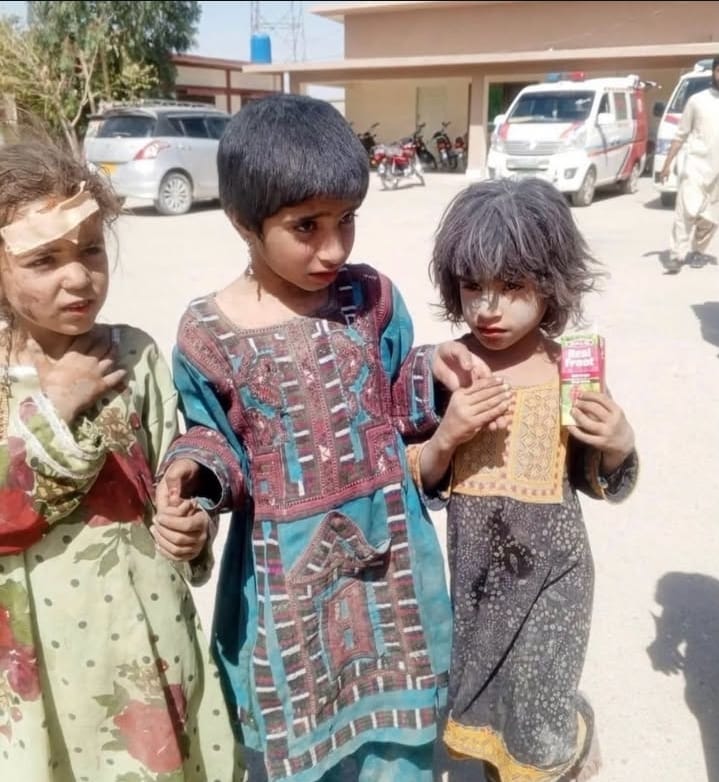
I remember the day when everyone was weeping. Nobody knew which woman had won the title of widow, nobody knew which daughter was chosen to become an orphan, nobody knew which father had become helpless, and nobody knew which mother was deprived of the sunshine.
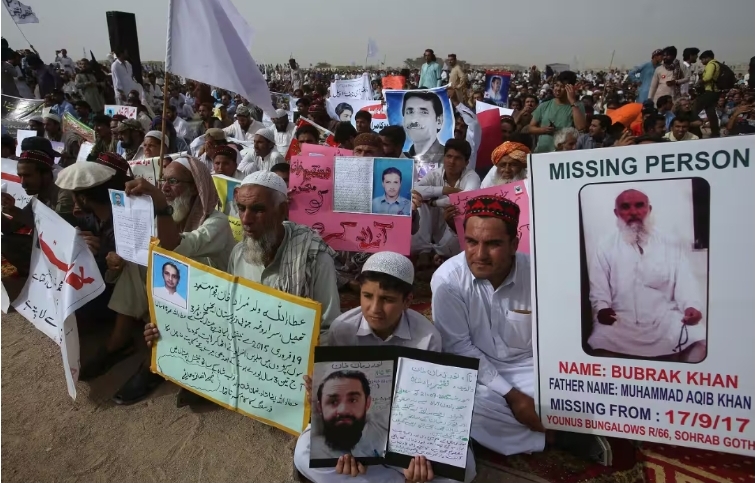
Some folk were weeping because they were already in grief. Some folk were weeping because they had lost their only son. Some were weeping because they were newly engaged, and some folk were weeping because they had fallen in love with a person who was now missing. Some folk were weeping because they had lost their only brother.
I remember when I was sleeping, dreaming of a very beautiful garden, a green garden where birds flew peacefully, where birds sang romantically, where birds danced magically, and where birds performed dramatically. Humans were free there. There was no stress, and they did not fight with each other. They enjoyed every moment. They were not just alive; they were truly living. They played the Rabab, listened to the voice of the morning breeze, and conversed with the silence of nature. They looked up and smiled at the clear sky, talking to God.
But that was not the God the world explains to us. That God was not violent. That God’s behaviour was not discriminatory toward genders. That God did not want to kill innocent children. That God did not want to make those persons disappear who spoke the truth and raised their voices for their rights. That God did not want to suppress the oppressed, nor give all the power to a single hand. That God did not want to force someone to speak a lie. That God did not want to slap a son and pull him away right in front of his mother or his daughter. That God was kind and merciful.
I remember when I suddenly awoke to a heavy sound, and I ran towards my mother, there was darkness everywhere. I couldn’t see anything except the pollution of thick smoke. The sky was full of dust, full of darkness. I heard coughing from everywhere because of the smoke. The birds were chirping distressingly; maybe they were seeking their chicks. Maybe mothers could not see anything, and maybe chicks were weeping because of fear. Maybe some of them were injured. They wanted to fly, but it was not possible. They were unable to fly because they couldn’t see anything. Maybe a caring husband was calling his wife, a brother was calling his sister, or a sister was calling her brother. Maybe a lover was missing his beloved, or maybe two orphan siblings were weeping for their ruined nest, or maybe a father was crying for the sake of their protection.
Without a shawl, without a veil, without a pair of shoes, we ran toward the Baithak (sitting room) where all our men used to sleep. We were shocked: no one was there. All of them were outside the home, protecting the children, the women, and our households. We were waiting for martyrs, for a hundred plus injured, for an attack inside our homes to finish all of us.
I remember the mothers writhing in agony, all the sisters crying, all the children trembling with fear, and all the wives drowning in grief.
I remember two martyred brothers on the very same day. I remember the condition of their wives: they broke their bangles, they took off their earrings, their rings, and their nose pins. Like living corpses, they would lie collapsed here one moment and there the next. They cursed themselves as if they were the ones responsible for it all. They were crying, but they refused to accept that they had become widows, even though that was the harsh reality. They didn’t believe it because they were well aware of a widow’s life.
It was painful. It was full of grief. I remember everything, and I will never forget anything, not a single word I heard, nor a single sentence.
It’s not the story of one home; it’s the story of every home in Waziristan.
For the sake of dollars, you ruined thousands of lives. You stole millions of our dreams and aspirations. You are responsible for every single pain and every single sorrow we have endured. We will never forgive you, and not even a thousand generations of ours will ever forgive you.

THE PAKISTANI LEFT’S MIDDLE CLASS CRISIS – PART 2
September 27, 2026• Articles, English